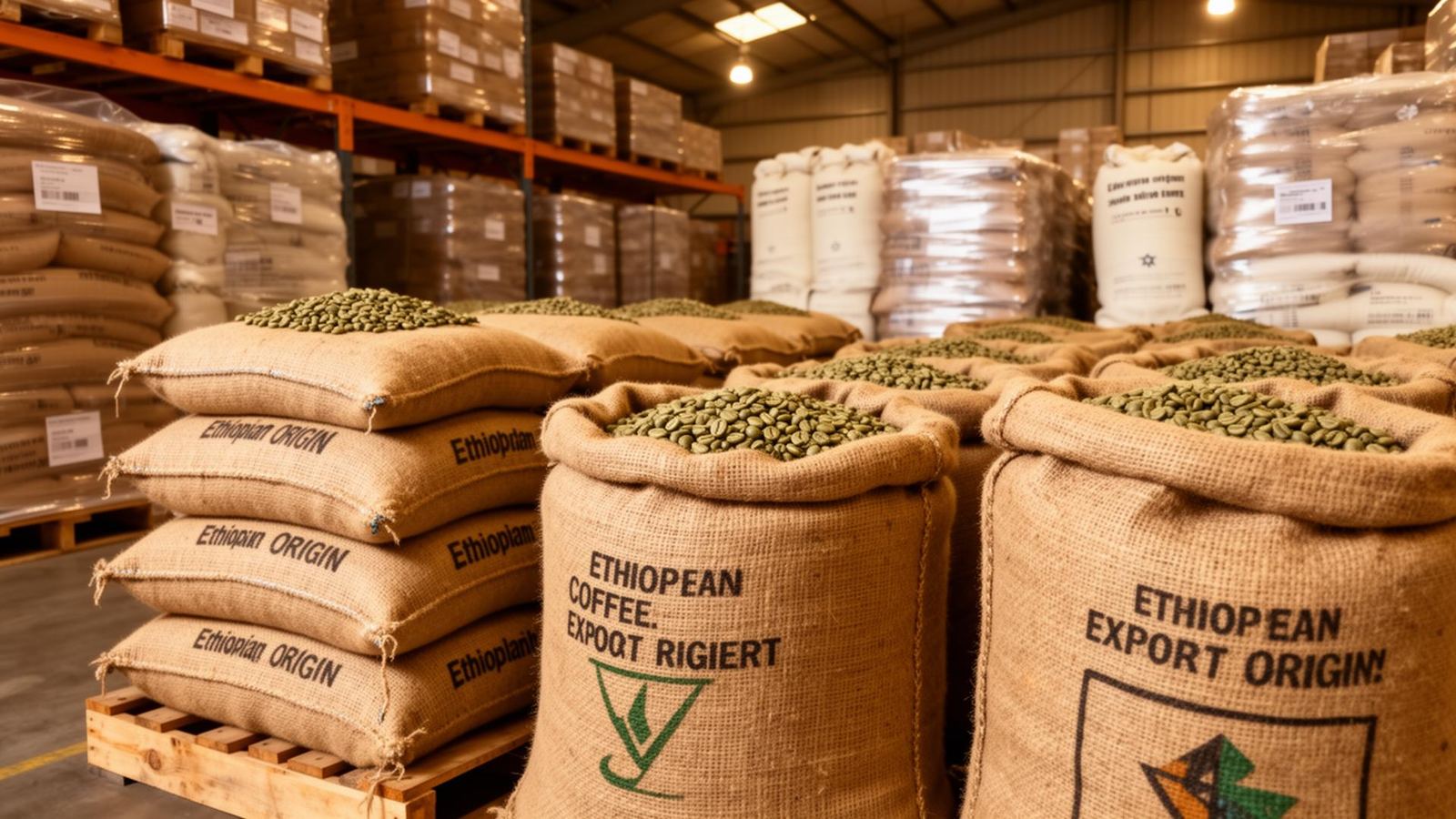
Evaluate an Ethiopian coffee exporter on five things: proper registration, real traceability, willingness to provide samples before a full order, complete export documentation, and flexible minimum order quantities. Ask directly about each — a reliable exporter should answer without hesitation.
Ethiopia has thousands of coffee exporters of wildly varying reliability, ranging from established, licensed operations to informal middlemen with no real sourcing relationships. The criteria below apply to evaluating any Ethiopian coffee exporter — use them to compare suppliers, including us, rather than taking any single supplier's claims at face value.
Why Does the Choice of Exporter Matter?
Unlike many commodities, coffee quality and delivery reliability vary enormously between individual exporters sourcing from the same country and even the same region. A weak exporter relationship can mean inconsistent lot quality, missed shipping windows, unclear documentation that delays customs clearance, or payment disputes with no recourse. Because a container-scale order represents a significant commitment, the evaluation work is worth doing before money changes hands — not after a problem lot has already shipped.
Is the Exporter Properly Registered?
Ethiopian coffee exports are regulated through the Ethiopian Commodity Exchange (ECX) and the Coffee and Tea Authority. Ask any prospective exporter directly:
- Are lots sourced through ECX auction, direct cooperative export, or a licensed private exporter arrangement?
- Can they describe their registration status in specific terms, rather than a general claim of being "licensed"?
- How long have they been operating, and can they name specific washing stations or cooperatives they work with?
A vague or evasive answer to any of these is worth treating as a warning sign, regardless of how professional a supplier's website looks.
Can They Show Real Traceability?
"Traceable" is one of the most overused words in specialty coffee marketing. Genuine traceability means an exporter can tell you, for a specific lot, which region, and ideally which washing station or cooperative, it came from, along with the processing method and harvest window. If EU import compliance matters to your business, ask specifically about current deforestation-regulation (EUDR) documentation — this is a fast-evolving requirement area, and claims should be verified directly with the exporter rather than assumed from marketing language, including on this site.
Will They Provide Samples Before a Full Order?
Any exporter unwilling to provide a pre-shipment or evaluation sample before a full container commitment is a significant warning sign. Reputable exporters build sample requests into their standard sales process rather than treating them as a special favor. See our own wholesale inquiry process for one example of how this should work in practice — you should be able to request a sample order before ever discussing full-container pricing.
Do They Provide Complete Export Documentation?
At minimum, a legitimate exporter should provide:
- Certificate of Origin
- Phytosanitary certificate
- Commercial invoice and packing list
- Quality and weight certificate
See our Trade & Export Logistics guide for more detail on what each document covers and typical shipping timelines by destination.
How Flexible Are Their Order Quantities?
Most Ethiopian coffee exporters operate on a full-container minimum order (roughly 18–20 metric tons), since container economics drive the business. That's a legitimate constraint, not itself a red flag — but a supplier should be transparent about it upfront, and ideally offer a smaller sample or trial-order path for buyers who haven't worked together before, rather than requiring a full container as the only way to start a relationship.
How Do They Handle Communication and Payment Terms?
Ethiopian coffee exports are typically paid via wire transfer or Letter of Credit, with new buyers often expected to use an L/C for at least the first shipment. Before committing, confirm: response times to inquiries, who your direct point of contact will be, and what happens if a delivered lot doesn't match the pre-shipment sample. A supplier who can't give you a clear, specific answer to that last question — not just "quality guaranteed" — hasn't actually thought through their own dispute process.
What Are the Warning Signs of an Unreliable Exporter?
- Refuses to provide a sample before a full order
- Can't name specific regions, washing stations, or cooperatives beyond generic origin claims
- Vague about registration or licensing status when asked directly
- No clear documentation list or inconsistent answers about what's provided
- Pressure to commit quickly without time to evaluate samples properly
- Unwilling to discuss what happens if arrival quality doesn't match the sample
A Practical Evaluation Checklist
- Ask how lots are sourced (ECX, direct cooperative, or licensed private export) and how long they've operated
- Request traceability detail for a specific lot — region, washing station or cooperative, processing method, harvest window
- Request a sample order before discussing full-container terms
- Get a written list of the export documentation they'll provide
- Confirm payment terms and what recourse exists if arrival quality doesn't match the sample
- Compare at least two suppliers before committing to a first full container
These criteria apply whoever you're evaluating. If you'd like to see how GreenBean Coffee answers each of them directly, our wholesale inquiry form is the place to start that conversation.
Frequently Asked Questions
What should I check before signing a contract with an Ethiopian coffee exporter?
Is ECX registration required to legally export Ethiopian coffee?
Should I request a sample before placing a full container order?
What's the difference between an Ethiopian coffee exporter and a broker?
What documentation should a legitimate Ethiopian coffee exporter be able to provide?
GreenBean Coffee Editorial Team
Written by the export and quality control team at GreenBean Coffee, Addis Ababa. Our team has over 15 years of combined experience in Ethiopian specialty coffee sourcing, grading, and international trade logistics. All content is reviewed by licensed Q-graders and certified coffee professionals.
Last reviewed:
Ready to Source Premium Ethiopian Coffee?
Connect with our export team for samples, pricing, and availability. We ship Grade 1 & 2 Arabica to 40+ countries worldwide.