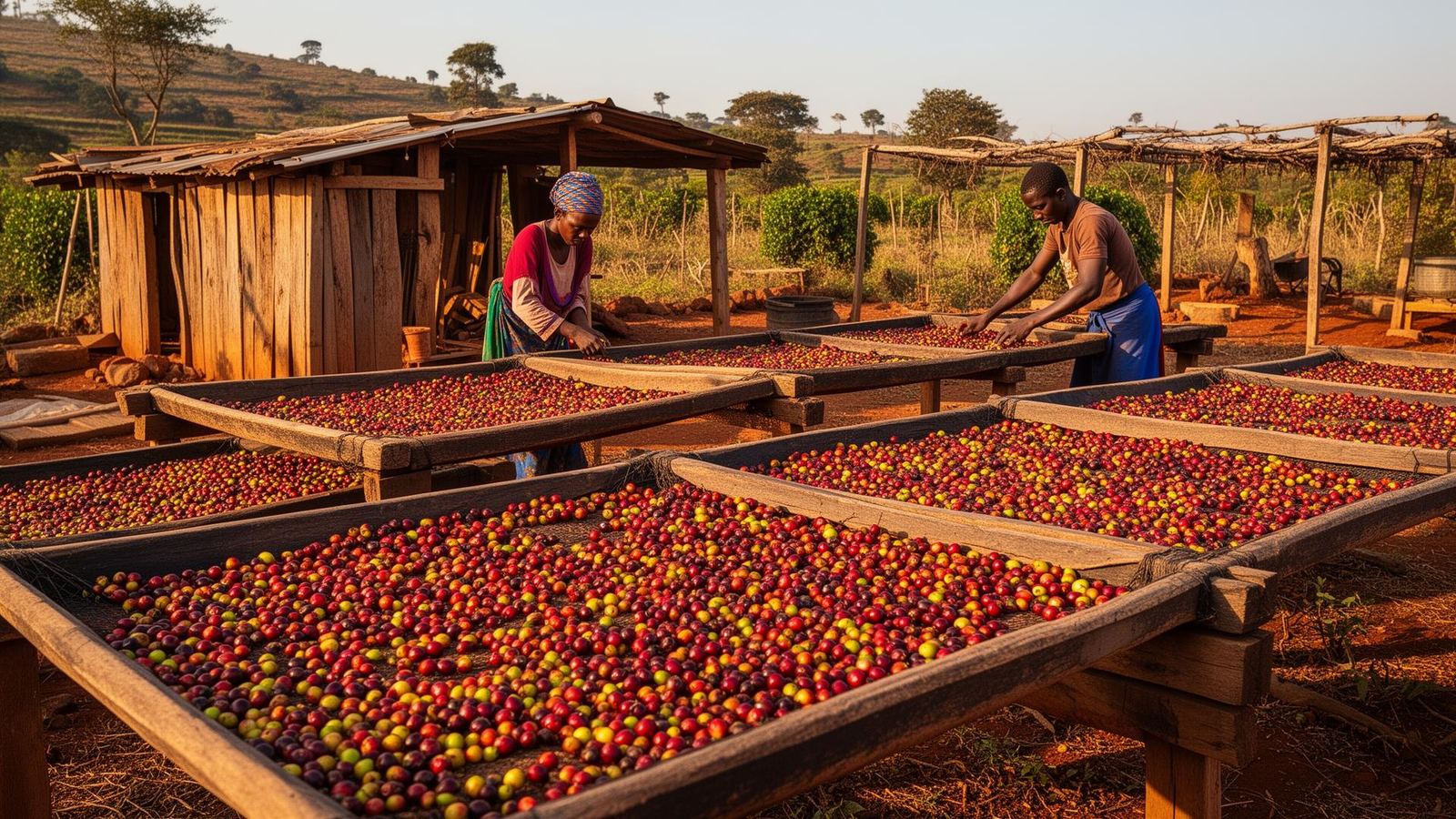
Washed processing yields clean, floral cups. Natural processing produces fruity, full-bodied profiles. Honey processing balances both. Each method has different defect tolerances in Ethiopian grading.
Part of our Complete Ethiopian Coffee Sourcing Guide.
Why Does Processing Method Matter?
- Flavor profile: Washed = clean, bright, floral. Naturals = fruity, heavy-bodied
- Acidity: Washed preserves acidity. Natural can mute acid, add sweetness
- Defect potential: Different risk profiles reflected in grading standards
- Pricing: Processing complexity influences cost structures
What Is Washed (Wet) Processing?
Washed processing removes fruit before drying: depulp → ferment 12–72 hours → wash → dry 10–15 days. Produces clean, transparent cups highlighting terroir and varietal character.
- Cherry reception: Ripe cherries delivered within hours of picking
- Pulping: Mechanical pulpers remove outer skin
- Fermentation: 12-72 hours in tanks
- Washing: Clean water flushes away fermented mucilage
- Drying: 10-15 days on raised beds to 10-12% moisture
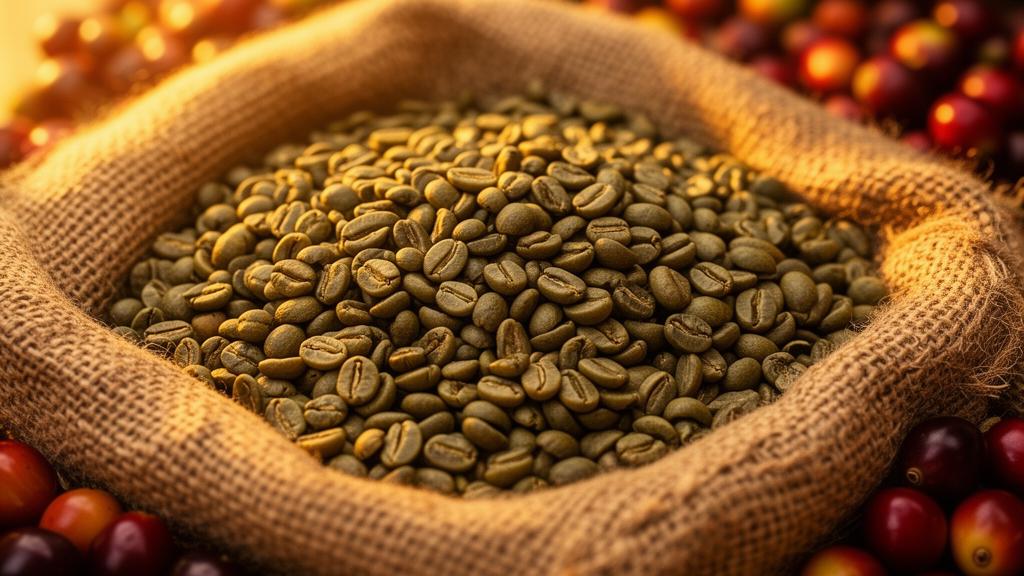
- Milling: Parchment hulled to reveal green coffee
Washed Flavor Profiles by Region
- Yirgacheffe: Jasmine, bergamot, citrus, tea-like finish
- Sidamo: Stone fruit, floral notes, balanced acidity
- Guji: Bright citrus, white flower, refined complexity
What Is Natural (Dry) Processing?
Natural processing dries the whole cherry intact over 2–4 weeks. Produces bold, fruit-forward coffees with intense blueberry, strawberry, and tropical notes.
- Cherry selection: Only fully ripe, red cherries
- Drying: Whole cherries on raised beds for 2-4 weeks
- Regular turning: Multiple times daily to prevent mold
- Hulling: Dried fruit husk mechanically removed
- Sorting: Intensive sorting due to higher defect rates
Natural Coffee Flavor Profiles
- Guji: Blueberry, strawberry jam, wine-like, intense sweetness
- Sidamo: Tropical fruit, chocolate undertones, syrupy body
- Harrar: Wild berry, dried fruit, earthy, rustic complexity
What About Honey Processing in Ethiopia?
Honey processing is relatively rare in Ethiopia. When available, it shows more body than washed, less than natural, with stone fruit sweetness and moderate acidity.
How Should Buyers Choose?
- For espresso blends: Naturals add body and sweetness
- For filter/pour-over: Washed coffees showcase delicate florals
- For distinctive single-origins: Natural Guji or Yirgacheffe
- For classic Ethiopian: Washed Yirgacheffe remains the benchmark
How Does Processing Affect Quality and Grading?
- Washed Grade 1: 0-3 defects per 300g sample
- Natural Grade 1: 0-15 defects per 300g sample
See our Coffee Grades Guide. Timing your purchase around fresh-crop arrival also matters — review the seasonal buying guide. New to green coffee? Start with what are green coffee beans?
Frequently Asked Questions
GreenBean Coffee Editorial Team
Written by the export and quality control team at GreenBean Coffee, Addis Ababa. Our team has over 15 years of combined experience in Ethiopian specialty coffee sourcing, grading, and international trade logistics. All content is reviewed by licensed Q-graders and certified coffee professionals.
Last reviewed:
Ready to Source Premium Ethiopian Coffee?
Connect with our export team for samples, pricing, and availability. We ship Grade 1 & 2 Arabica to 40+ countries worldwide.