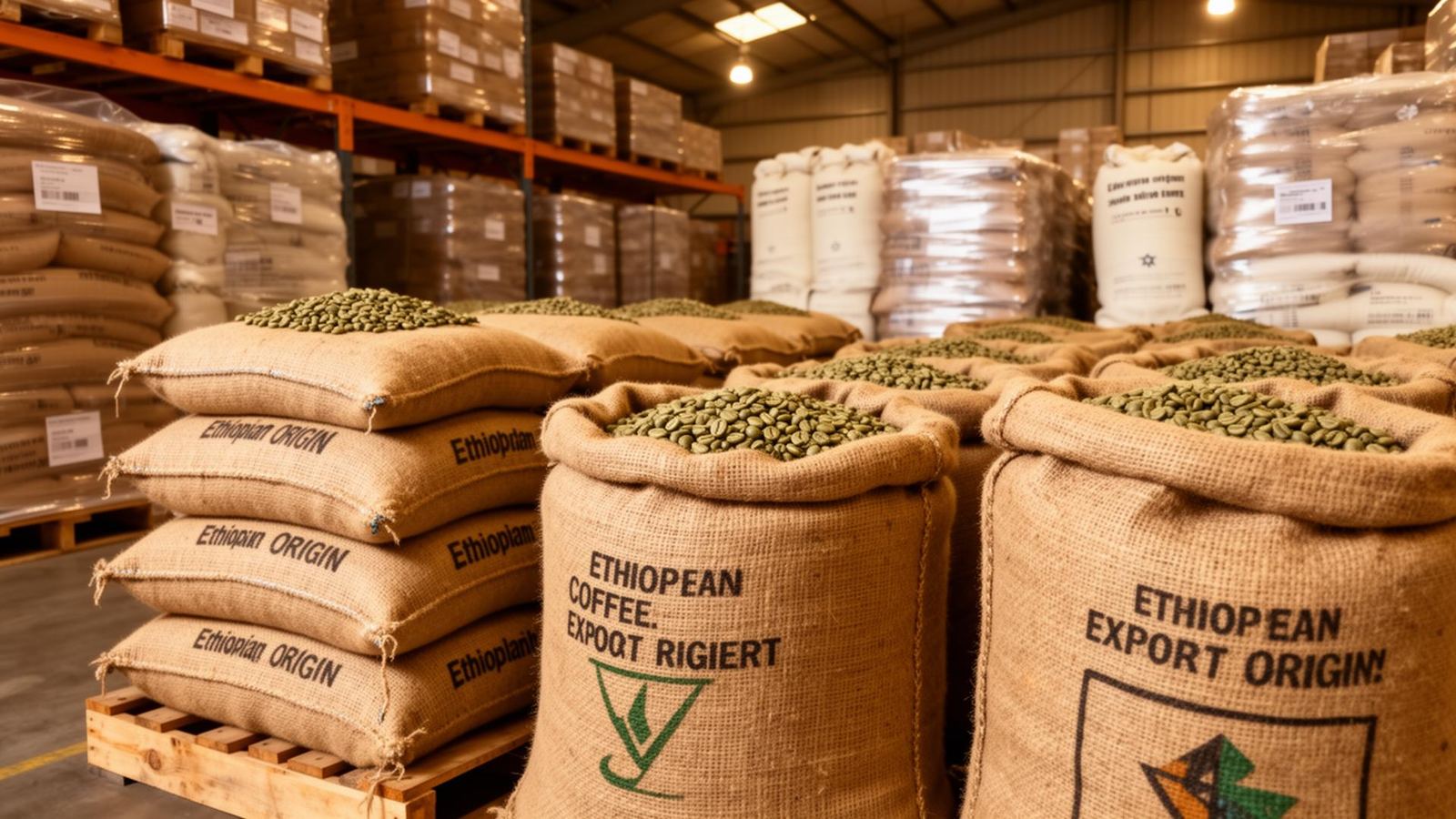
Green Ethiopian coffee is classified under TARIC 0901 11 00, carrying 0% import duty (Ethiopia also qualifies for EU Everything But Arms preferential access as a Least Developed Country) plus destination-country VAT. The single biggest thing EU importers need to plan for now is the EU Deforestation Regulation (EUDR) — it applies to coffee, requires farm-level geolocation data and a filed Due Diligence Statement, and takes effect for large/medium operators on 30 December 2026.
Our Trade & Export Logistics guide covers shipping, storage, and documentation for any destination. This page covers what's specific to the EU — customs classification, the EUDR compliance deadline that's now genuinely close, and the agencies and systems actually involved, based on current, publicly available EU import guidance.
What Does Importing Ethiopian Coffee to the EU Involve?
An EU-bound green coffee shipment involves national customs authorities (for classification and duty/VAT), the EU's plant-health system via TRACES NT (for phytosanitary clearance), and — from December 2026 — the EU Deforestation Regulation's due diligence system for any operator placing coffee on the EU market. None of the customs mechanics are Ethiopia-specific; EUDR's coffee coverage and Ethiopia's EBA trade-preference status are.
How Is Green Coffee Classified and Taxed for EU Customs?
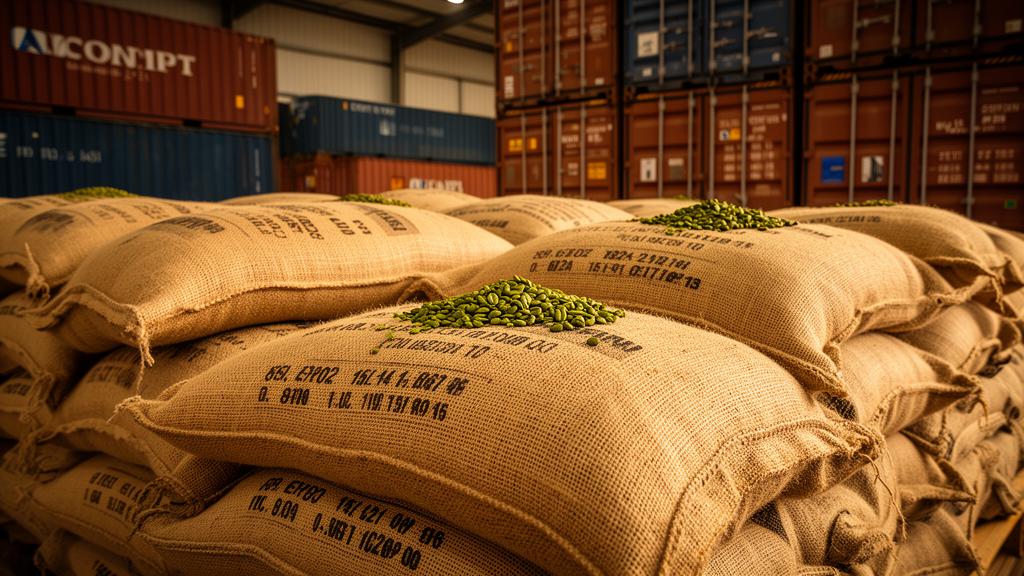
Unroasted, non-decaffeinated green coffee is classified under TARIC/CN 0901 11 00 — the EU's 10-digit extension of the six-digit HS code. This carries a 0% import duty for most origins under the EU's general (erga omnes) rate, since coffee isn't grown commercially within the EU.
Ethiopia has a second, independent basis for duty-free access: as a UN-designated Least Developed Country, it qualifies for the EU's Everything But Arms (EBA) scheme — duty-free, quota-free access confirmed through 31 December 2026 at the time of writing. Import VAT still applies, charged at the destination member state's own rate, which varies by country. Confirm current duty/VAT treatment with your customs broker or national customs authority before finalising costs — trade-preference status is a standing arrangement but can change, and this page cannot substitute for a live check at the time you're placing an order.
What Is the EU Deforestation Regulation (EUDR)?
This is the part of importing to the EU that every buyer sourcing coffee, cocoa, or several other commodities needs to plan for now, not later. The EUDR requires any company placing coffee on the EU market to prove — with farm-level geolocation data and a formally filed Due Diligence Statement (DDS) — that the coffee is deforestation-free (as of a 31 December 2020 cutoff) and legally produced in its country of origin.
The deadline is close, and the data requirement is real
EUDR applies to large and medium operators from 30 December 2026, and to micro and small operators from 30 June 2027. Shipments without a valid DDS reference do not clear EU customs — this isn't a paperwork formality, it's a hard gate. Non-compliance penalties can reach at least 4% of EU-wide annual turnover for the responsible operator.
The EU-based importer is legally responsible for filing the DDS, but doing so requires farm-level geolocation data that has to originate from the exporter's supply chain. Ask any prospective exporter directly whether they can supply this data for your specific lots — a general "traceable" or "direct trade" claim on a website, including this one, is not the same as EUDR-ready geolocation data. See our exporter due-diligence guide for how to ask.
What Plant-Health Documentation Is Required?
All plant products entering the EU, including green coffee, require a phytosanitary certificate issued by the exporting country's plant-health authority — for Ethiopia, its Ministry of Agriculture. The certificate is processed through TRACES NT (Trade Control and Expert System New Technology), the EU's official platform for sanitary and phytosanitary import certification, via its PHYTO module: the exporter's side completes Part I describing the consignment, and the origin country's plant-health authority validates Part II before the shipment departs.
What Documents Does an EU Import Need?
In addition to the general export documentation covered in our Trade & Export Logistics guide (Certificate of Origin, Bill of Lading, commercial invoice, packing list), an EU-bound shipment specifically needs:
- Phytosanitary certificate, processed via TRACES NT
- EUDR Due Diligence Statement reference (required from 30 December 2026 for large/medium EU operators)
- ICO (International Coffee Organization) certificate
How Long Does the Process Take?
From the Port of Djibouti, ocean transit to major EU ports (Hamburg, Rotterdam, Antwerp) typically takes 14-25 days — see our full shipping timelines by destination. Add time for phytosanitary processing and, from late 2026, EUDR due-diligence checks on arrival — complete documentation filed ahead of arrival is what keeps this step from adding delay.
Do I Need a Customs Broker or Freight Forwarder?
Not legally required for most commercial shipments, but strongly advisable — particularly through the EUDR transition, where the practical mechanics of filing a Due Diligence Statement are still settling across member states. A customs broker or freight forwarder experienced with EU coffee imports can confirm current duty/VAT treatment for your specific shipment, coordinate TRACES NT phytosanitary processing, and advise on DDS filing as the requirement comes into force.
Ready to source? Our wholesale inquiry form is the place to start — mention that you're importing to the EU and ask directly about geolocation/traceability data for EUDR planning.
Frequently Asked Questions
What TARIC code applies to green Ethiopian coffee imports to the EU?
Do I pay import duty on green coffee from Ethiopia to the EU?
What is the EU Deforestation Regulation (EUDR) and does it apply to coffee?
Who is responsible for the EUDR due diligence statement — the exporter or the importer?
What plant-health certificate do I need to import coffee to the EU?
GreenBean Coffee Editorial Team
Written by the export and quality control team at GreenBean Coffee, Addis Ababa. Our team has over 15 years of combined experience in Ethiopian specialty coffee sourcing, grading, and international trade logistics. All content is reviewed by licensed Q-graders and certified coffee professionals.
Last reviewed:
Ready to Source Premium Ethiopian Coffee?
Connect with our export team for samples, pricing, and availability. We ship Grade 1 & 2 Arabica to 40+ countries worldwide.