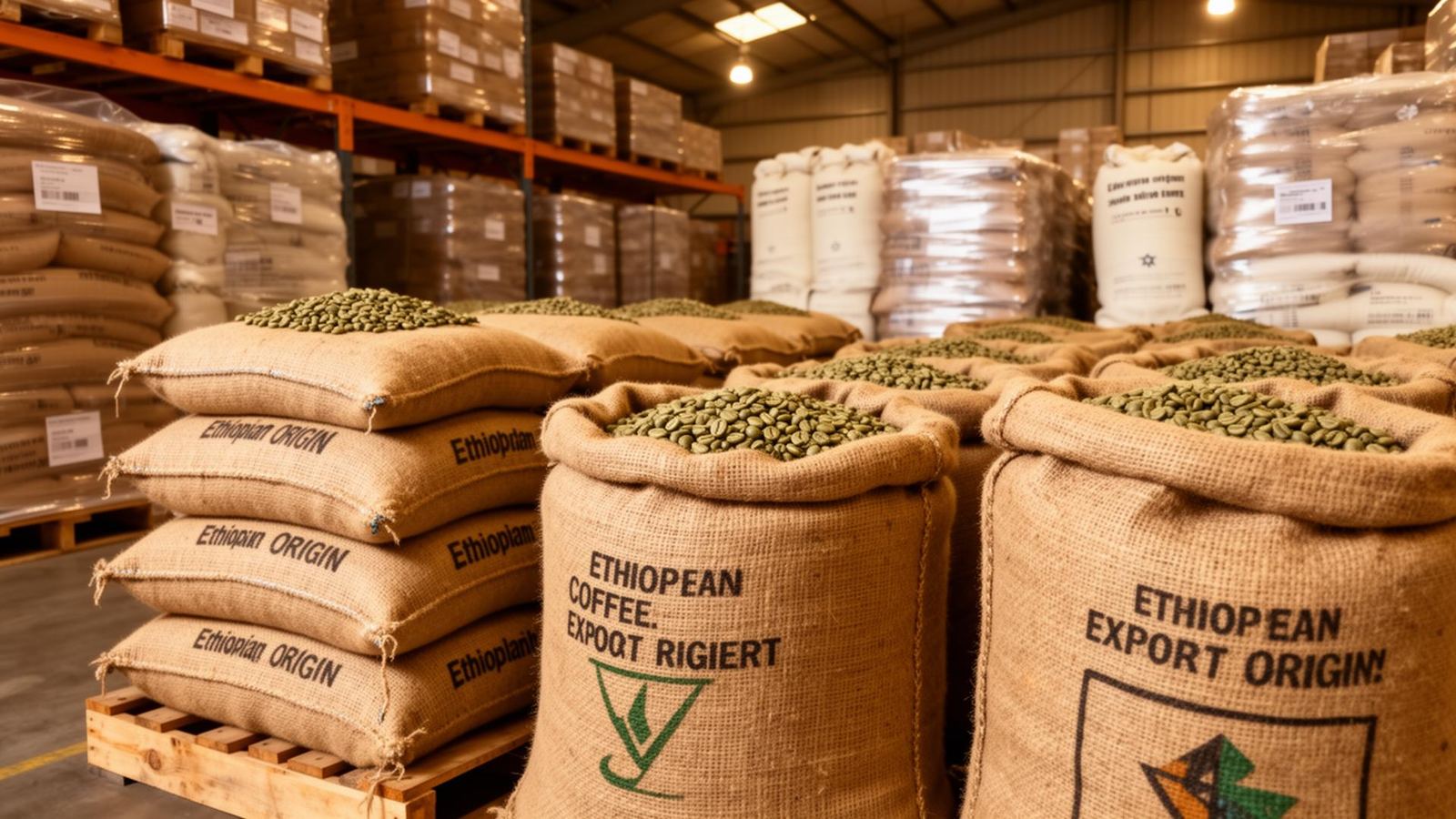
To source Ethiopian coffee, identify target regions, evaluate grades (1–5), choose washed or natural processing, and arrange export via ECX or direct trade. Fresh crop is available March–May.
Ethiopia produces some of the world's most sought-after specialty coffee. For importers and roasters looking to source Ethiopian green coffee beans, understanding the unique supply chain, grading systems, and seasonal patterns is essential.
Why Source Ethiopian Green Coffee?
Ethiopian coffee offers what no other origin can: genetic diversity found nowhere else on earth. Key reasons to source include:
- Unique flavor profiles: From floral Yirgacheffe to fruity Guji naturals
- Specialty market demand: Consumers actively seek Ethiopian origins
- Competitive pricing: Strong value compared to other specialty origins
- Supply consistency: Reliable annual allocations from trusted suppliers
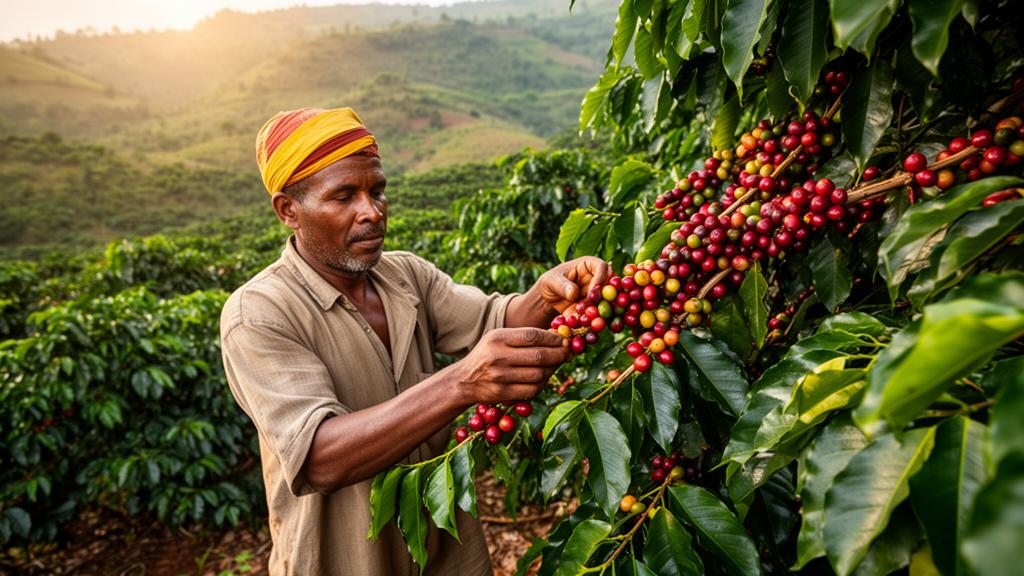
How Does the Ethiopian Coffee Supply Chain Work?
- ECX: Traditional trading platform with competitive pricing but limited traceability
- Direct cooperative exports: Farm-level traceability and relationship building
- Integrated exporters: Full traceability from cherry to export
How Do You Select Quality Ethiopian Coffee?
What Processing Methods Are Available?
- Washed: Clean, bright, floral or citrus notes
- Natural: Fruity, full-bodied, berry or wine-like
See our Processing Methods Guide.
Understanding Ethiopian Coffee Grades
Graded 1 to 5 for export quality. See our Coffee Grades Guide.
When Is the Best Time to Buy?
Ethiopian Coffee Buying Calendar
- Oct–Dec: Main harvest season
- Jan–Mar: Processing & export preparation
- Mar–May: Fresh crop arrival — optimal buying window
- Jun–Sep: Current crop availability
See our Seasonal Buying Guide.
What Logistics Should Buyers Consider?
- Minimum orders: One container (275-320 bags of 60kg each)
- Shipping: 4-8 weeks from Djibouti
- Documentation: ICO certificates, phytosanitary certificates
- Payment: Partial advance with balance against shipping documents
How Do You Build Supplier Relationships?
- Request pre-shipment samples and provide cupping feedback
- Honor commitments once agreed
- Communicate quality expectations clearly
- Consider visiting Ethiopia during harvest season
- Pay invoices promptly
What Mistakes Should Buyers Avoid?
- Buying based on grade alone: Always request samples
- Ignoring moisture content: Verify specs before purchase
- Underestimating lead times: Plan 3-4 months ahead
- Skipping arrival inspection: Always cup arrival samples
For ongoing harvest updates and market commentary, follow our Ethiopian coffee industry blog.
Frequently Asked Questions
GreenBean Coffee Editorial Team
Written by the export and quality control team at GreenBean Coffee, Addis Ababa. Our team has over 15 years of combined experience in Ethiopian specialty coffee sourcing, grading, and international trade logistics. All content is reviewed by licensed Q-graders and certified coffee professionals.
Last reviewed:
Ready to Source Premium Ethiopian Coffee?
Connect with our export team for samples, pricing, and availability. We ship Grade 1 & 2 Arabica to 40+ countries worldwide.