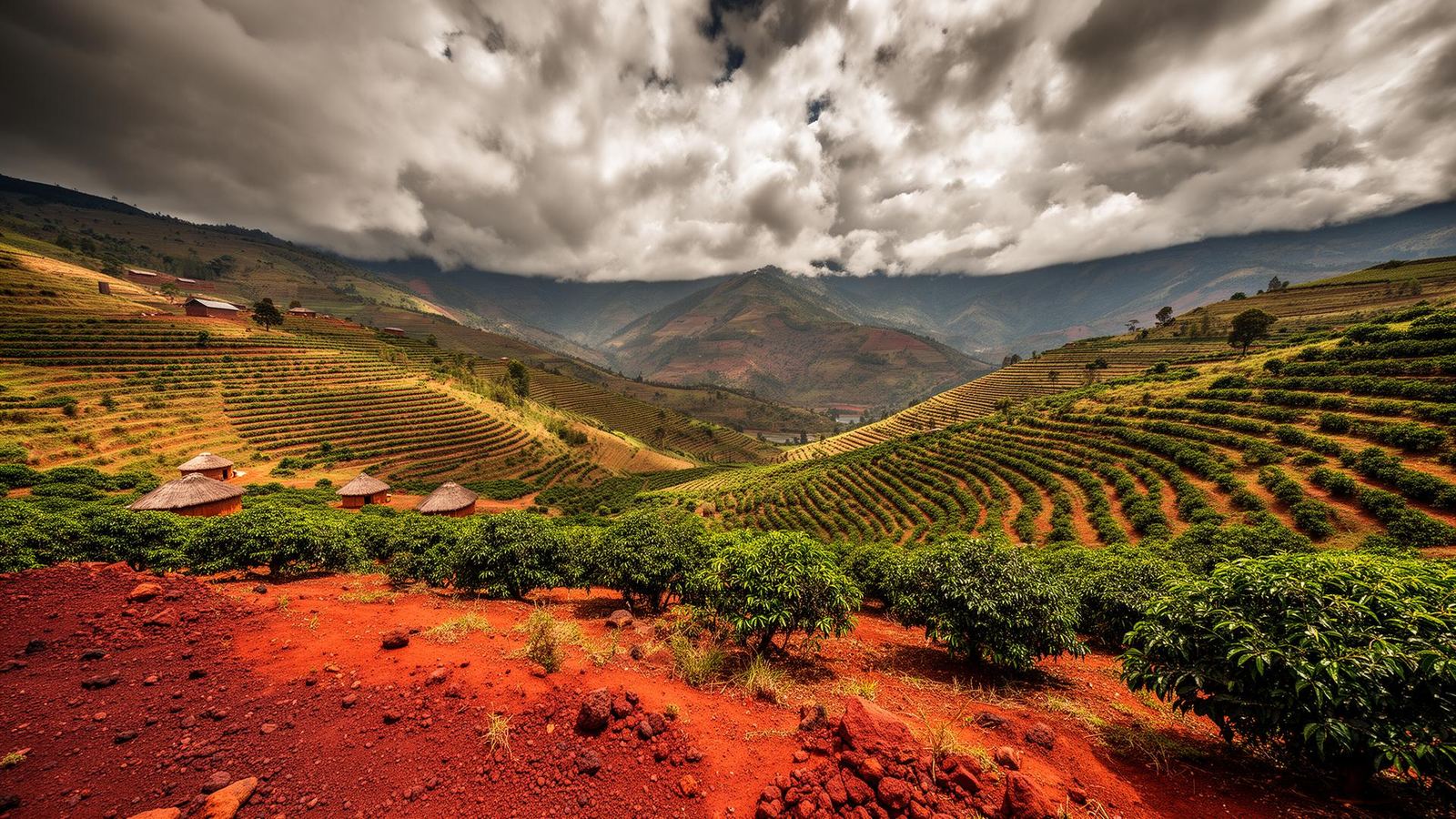
Ethiopian coffee is harvested October–December. Fresh crop is available March–May. Optimal buying window is March–June for peak freshness. Coffee maintains quality for 12–18 months when properly stored.
Part of our Complete Ethiopian Coffee Sourcing Guide.
Why Does Seasonality Matter for Ethiopian Coffee?
- Freshness: Coffee tastes best within 6-12 months of harvest
- Availability: Premium lots sell out quickly
- Pricing: Spot prices fluctuate based on supply
- Planning: Understanding the calendar aligns offerings with availability
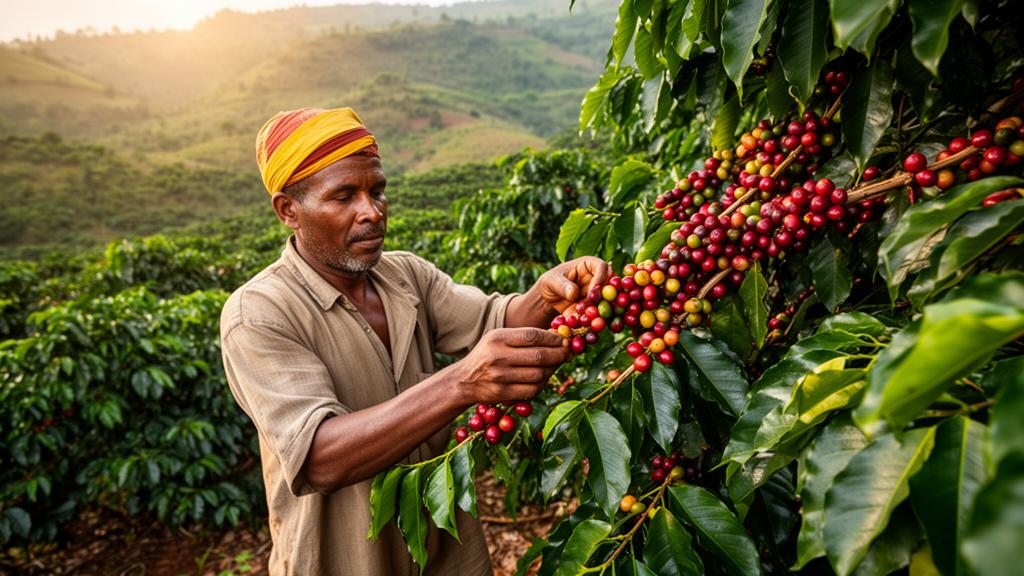
Ethiopian Coffee Harvest Calendar
Annual Coffee Cycle
- Oct–Dec: Main harvest — cherry picking across most regions
- Jan–Mar: Processing — drying, milling, grading, sorting
- Mar–May: Export window — fresh crop ships to international markets
- Jun–Sep: Current crop — available from exporter stocks; quality remains strong through July
For month-by-month picking, processing, and shipping windows by region, see our 2026 harvest calendar.
How Do Regions Differ in Harvest Timing?
- Yirgacheffe: November-January peak; higher altitudes harvest later
- Sidamo: October-December; broad variation
- Guji: November-January; some areas into February
- Harrar: October-December
- Jimma/Limu: October-December
When Is the Best Time to Buy Ethiopian Coffee?
March–May for maximum freshness and selection. June–August for good quality and value. Establish forward contracts in February–March for continuous supply. Avoid September–October for freshness-critical purchases.
- Maximum freshness (Mar–May): Widest selection, premium lots sell fast
- Good value (Jun–Aug): Excellent quality with potentially better pricing
- Continuous supply: Forward contracts in Feb–Mar for year-round shipments
How Does Ethiopian Coffee Age After Harvest?
Coffee Freshness Timeline
- 0-6 months: Peak — bright acidity, vibrant fruit, optimal cup
- 6-12 months: Excellent — softening acidity, developed sweetness
- 12-18 months: Aging — muted aromatics, may work for blends
- 18+ months: Past prime — woody notes, not for specialty
How Should Buyers Plan Annual Purchases?
- Jan–Feb: Analyze previous year; identify priority regions and quantities
- Feb–Mar: Request samples; evaluate new crop quality; negotiate contracts
- Mar–Apr: Finalize contracts; schedule shipping windows
- May–Aug: Receive shipments; evaluate arrivals; adjust remaining purchases
- Sep–Oct: Draw down inventory; prepare for new harvest cycle
For follow-on reading, review how processing affects which lots are available and the grading system used to classify each shipment. Latest harvest updates appear on our coffee blog.
Frequently Asked Questions
GreenBean Coffee Editorial Team
Written by the export and quality control team at GreenBean Coffee, Addis Ababa. Our team has over 15 years of combined experience in Ethiopian specialty coffee sourcing, grading, and international trade logistics. All content is reviewed by licensed Q-graders and certified coffee professionals.
Last reviewed:
Ready to Source Premium Ethiopian Coffee?
Connect with our export team for samples, pricing, and availability. We ship Grade 1 & 2 Arabica to 40+ countries worldwide.