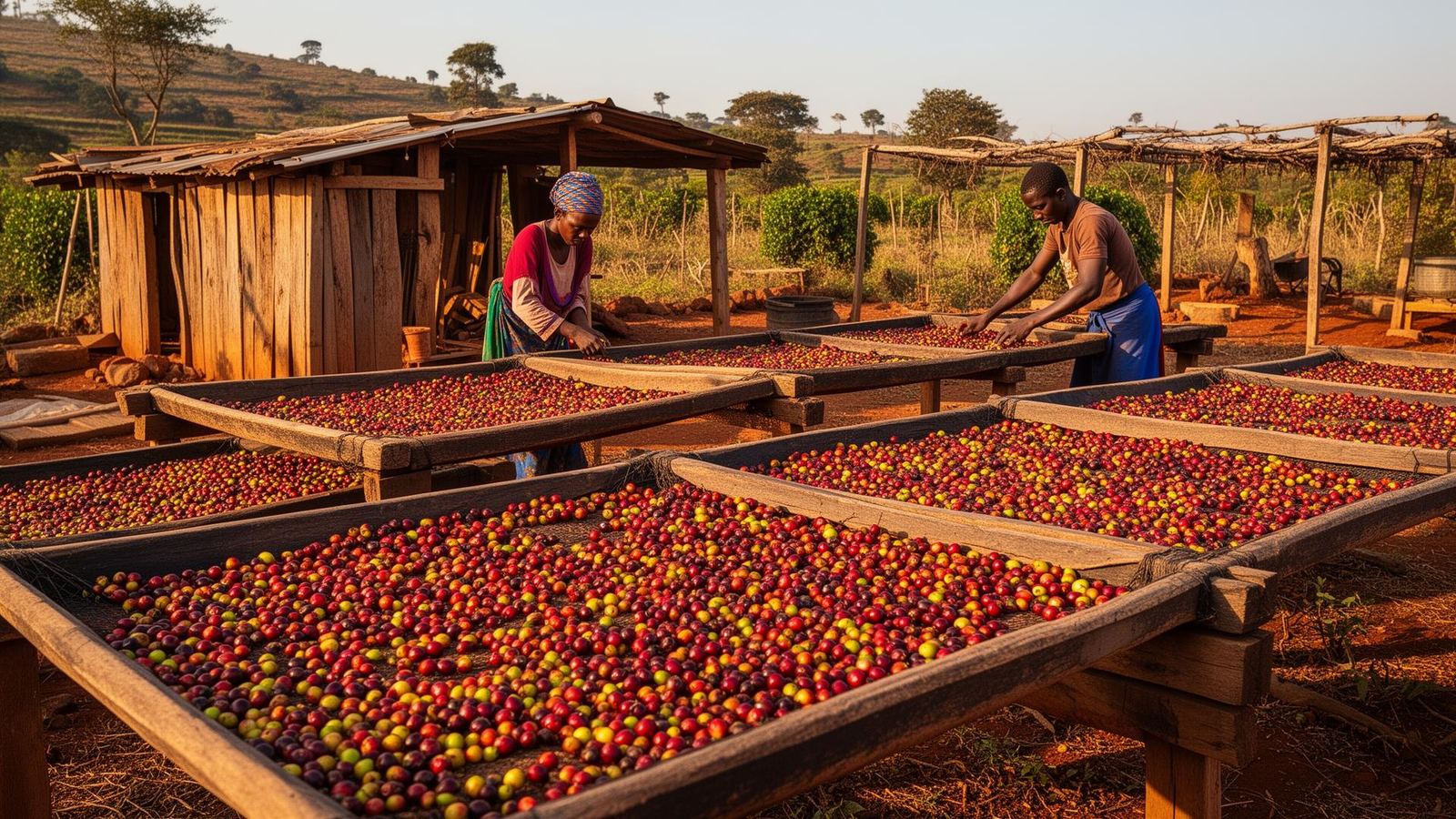
Ethiopian coffee comprises thousands of heirloom Arabica varieties, processed via washed (clean, floral) or natural (fruity, full-bodied) methods. These genetically diverse populations produce flavor profiles unavailable from any other origin.
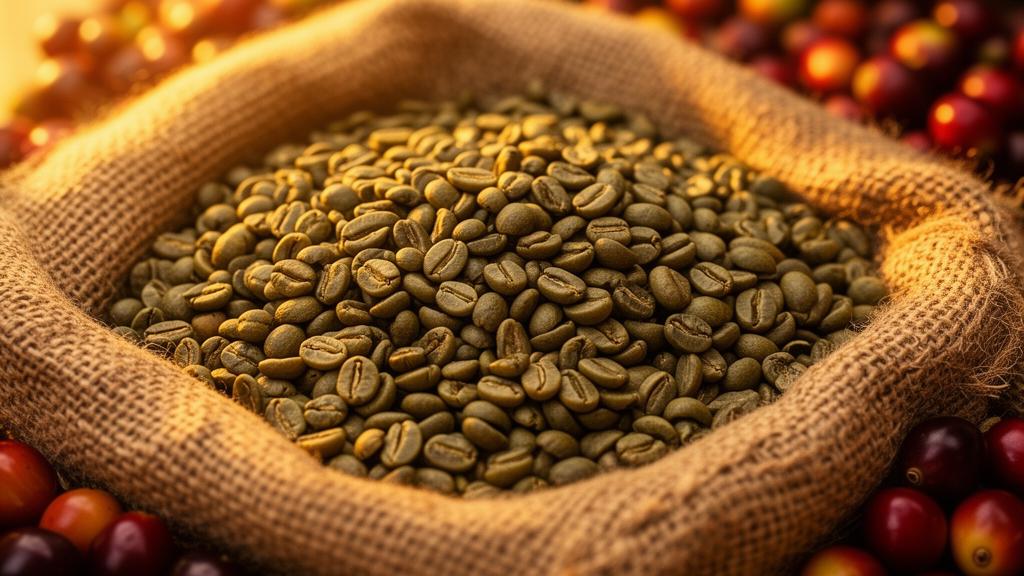
What Are Ethiopian Landrace and Heirloom Varieties?
Ethiopian heirloom describes genetically diverse, locally adapted coffee populations — landraces evolved through natural selection over centuries, not formal breeding. A single farm may contain dozens of genetically distinct trees.
The term "heirloom" in Ethiopian coffee describes the genetically diverse, locally adapted coffee populations grown throughout the country's producing regions. Unlike coffee-growing countries that cultivate named varieties such as Bourbon, Typica, or Caturra, Ethiopian farmers typically grow uncharacterized populations that have developed over centuries in specific localities.
These populations represent landraces—plant varieties that evolved through natural selection and farmer practices rather than formal breeding programs. A single Ethiopian farm may contain dozens of genetically distinct coffee trees, each expressing slightly different characteristics.
Research institutions have identified and catalogued some Ethiopian coffee populations. The Jimma Agricultural Research Center maintains collections of characterized selections. However, the vast majority of Ethiopian coffee derives from uncharacterized heirloom populations.
What Does Heirloom Mean in Practice for Buyers?
When Ethiopian coffee is labeled as heirloom, this indicates genetic origin rather than a specific variety name. Buyers should understand that heirloom coffees:
- Derive from genetically diverse populations not found outside Ethiopia
- Cannot be replicated by planting seeds elsewhere due to environmental adaptation
- Exhibit variation even within a single lot or farm
- Offer flavor characteristics unavailable from commercial variety coffees
Some regional variety names exist within Ethiopia, such as Wolisho and Dega in Yirgacheffe or Kurume in Sidamo. Traceability improvements have increased documentation of farm-level variety information.
How Is Ethiopian Coffee Processed After Harvest?
Processing refers to the steps that transform harvested coffee cherries into dried, hulled green beans ready for export. Ethiopian producers employ multiple processing methods, each creating distinct green bean characteristics and flavor outcomes. For a deeper technical breakdown, see our complete processing methods guide.
The choice of processing method depends on regional tradition, available infrastructure, water access, and market demand. Newcomers to green coffee may also find our beginner's guide to green coffee beans helpful for context.
How Does Washed (Wet) Processing Work?
Washed processing removes cherry fruit mechanically before drying. It requires depulping, 12–72 hours fermentation, washing, and 10–15 days of drying to reach 10–12% moisture. The result: clean blue-green beans with bright acidity.
- Cherries are sorted in water; underripe and defective cherries float and are removed
- Depulping machines remove the outer fruit skin and most of the pulp
- Beans ferment in tanks for 12-72 hours to break down remaining mucilage
- Beans are washed in channels to remove fermented material
- Clean parchment coffee dries on raised beds or patios until moisture reaches 10-12%
- Hulling removes the parchment layer before export
Washed Ethiopian coffee displays characteristic blue-green coloration with relatively uniform appearance. The process emphasizes terroir and varietal character while reducing fruity fermentation notes.
What Is Natural (Dry) Processing and How Does It Differ?
Natural processing dries the whole cherry intact over 2–4 weeks. It produces fruity, full-bodied coffees with intense blueberry, strawberry, and tropical notes — but with higher defect rates and less uniform sizing.
- Harvested cherries are sorted to remove damaged or underripe fruit
- Whole cherries spread on raised beds or patios
- Cherries dry over 2-4 weeks, with regular turning to prevent mold
- Dried cherries are hulled to remove dried fruit and parchment layers
- Green beans are sorted and graded for export
Natural-processed green coffee exhibits yellow-brown coloration from contact with drying fruit. The flavor impact includes increased body, reduced acidity, and pronounced fruit characteristics.
What Are Honey and Experimental Processing Methods?
Honey processing occupies a middle ground between fully washed and natural methods. After depulping, varying amounts of mucilage remain on the bean during drying. Ethiopian producers have adopted honey processing in limited quantities.
Experimental processing methods have emerged in Ethiopian specialty production, including extended fermentation, anaerobic fermentation, and carbonic maceration.
How Does Processing Affect Green Bean Characteristics?
Processing method determines several green coffee attributes that buyers assess:
Bean Appearance
Washed coffees exhibit blue-green coloration with minimal visual defects. Natural coffees show yellow, brown, and green tones with greater variation.
Moisture Content
Ethiopian export standards require moisture content between 9.5% and 11.5%. Washed coffees typically stabilize at the lower end; naturals may retain slightly higher moisture.
Sorting Outcomes
Washed processing produces more uniform lots. Natural processing creates greater variation, requiring additional sorting labor to achieve equivalent grade standards.
What Defects Affect Ethiopian Green Coffee Quality?
- Full black beans: Overfermented or diseased seeds appearing entirely black
- Partial black beans: Seeds with localized decay or disease
- Sour beans: Off-colored beans from improper fermentation
- Insect damage: Holes from coffee berry borer infestation
- Broken beans: Fragments from mechanical processing damage
- Quakers: Underdeveloped beans that roast pale
- Foreign matter: Sticks, stones, or other non-coffee material
How Do Importers and Graders Evaluate Green Coffee?
- Visual assessment: Color uniformity, defect presence, screen size consistency
- Physical testing: Moisture content measurement, density evaluation
- Defect count: Enumeration of primary and secondary defects per sample
- Odor inspection: Detection of off-odors indicating improper storage
- Roast evaluation: Sample roasting to assess quaker presence
- Cupping: Sensory evaluation of brewed samples to confirm flavor quality
For practical guidance on applying these criteria when buying, see our complete sourcing guide and Ethiopian coffee grades reference.
Frequently Asked Questions
GreenBean Coffee Editorial Team
Written by the export and quality control team at GreenBean Coffee, Addis Ababa. Our team has over 15 years of combined experience in Ethiopian specialty coffee sourcing, grading, and international trade logistics. All content is reviewed by licensed Q-graders and certified coffee professionals.
Last reviewed:
Ready to Source Premium Ethiopian Coffee?
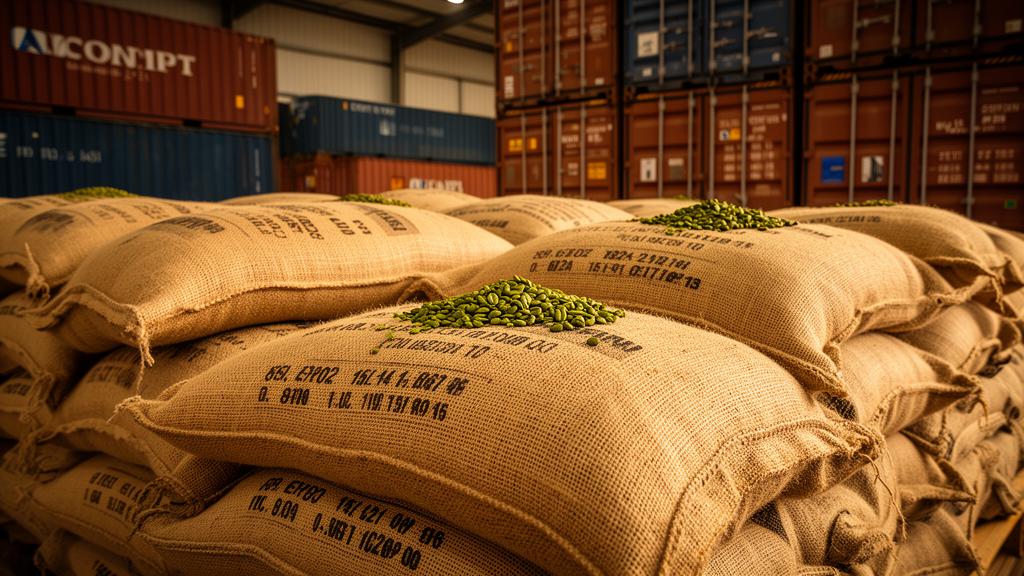
Connect with our export team for samples, pricing, and availability. We ship Grade 1 & 2 Arabica to 40+ countries worldwide.